← Home
Where the know-how went, and who kept it.
Every industrial era moved the know-how somewhere new. Four moments, from the tooling to the cloud.
1913
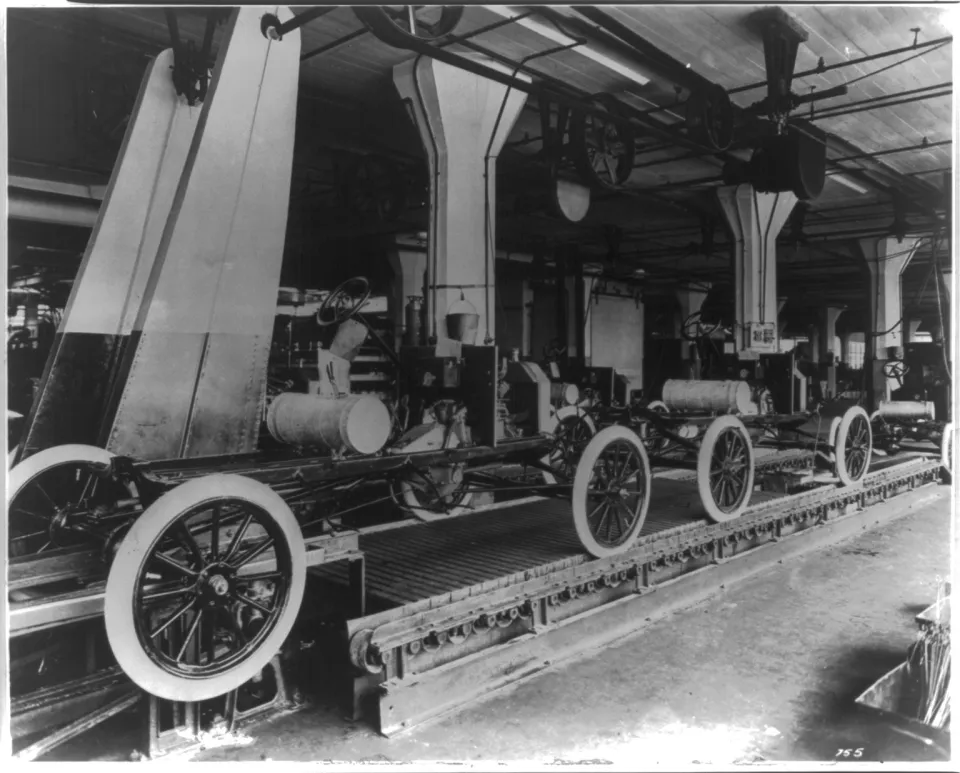
Ford moved the know-how into the tooling.
12½ hours became 1½, and $850 became under $300. Pay doubled, cars became affordable for millions, and new skilled work grew in tooling and engineering.
Fast, but it couldn't bend. One car, one way. The 1927 model change stopped production for about six months.
1950s
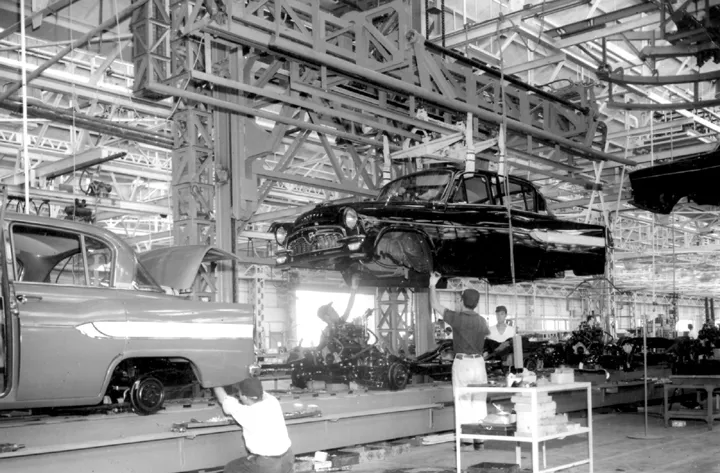
Toyota kept the know-how moving.
The standard is the best method known today, written down so deviation shows. Changeover: 4 hours to 3 minutes.
But the loop stopped at the factory gate. Once the machine shipped, the learning stopped.
1962
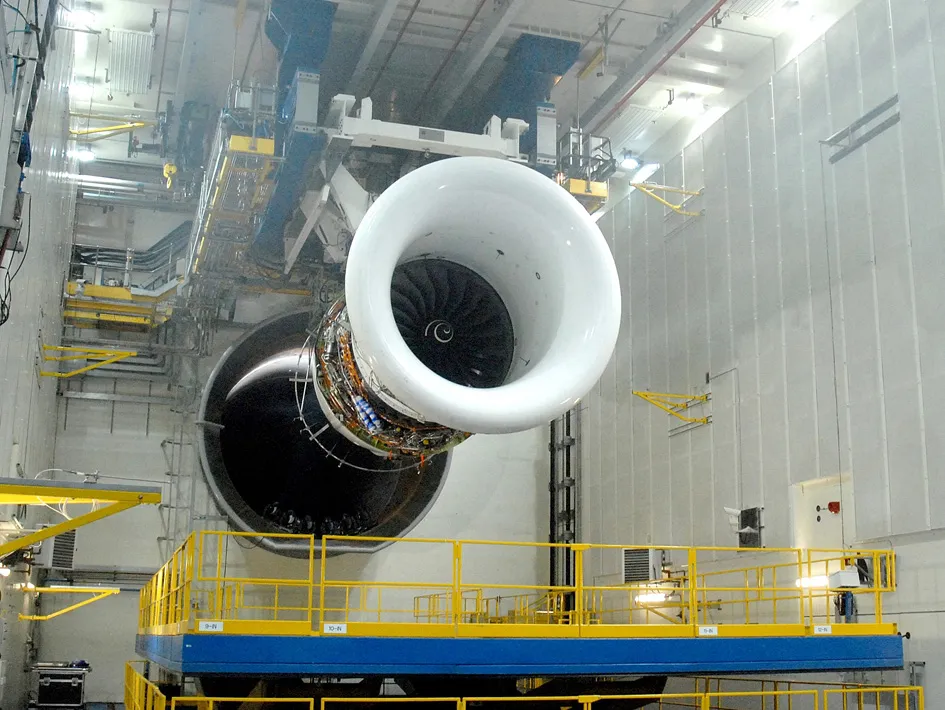
Rolls-Royce took the loop outside.
Engines in service report their own condition. Rolls-Royce sells flying hours, not engines.
But the loop has one owner. Every airline feeds it. None of them owns it.
Today
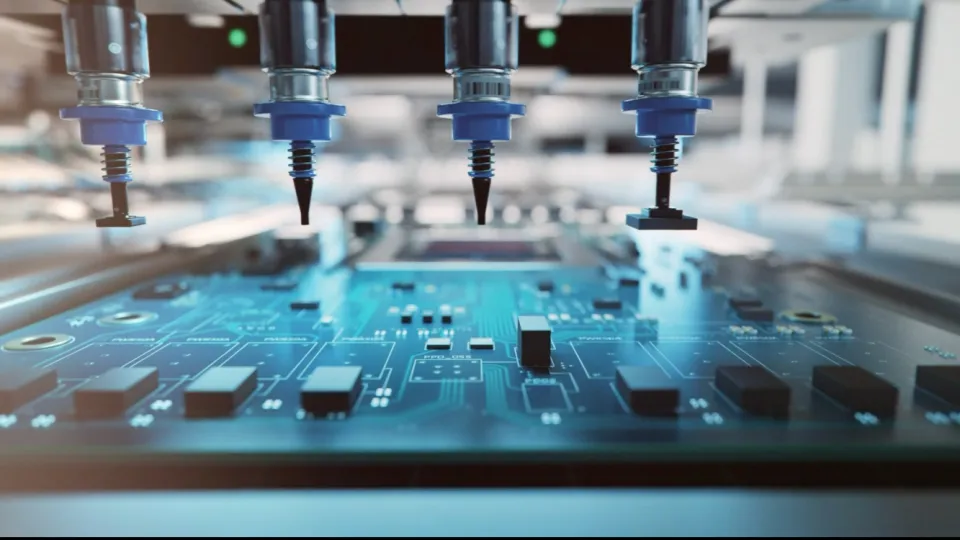
Today the know-how is for rent.
General knowledge is a utility: asked in language, answered in seconds, priced per token.
But not yours. A frontier model has read the internet. It has never seen your plant. Your know-how is the advantage no one can rent.
Your move
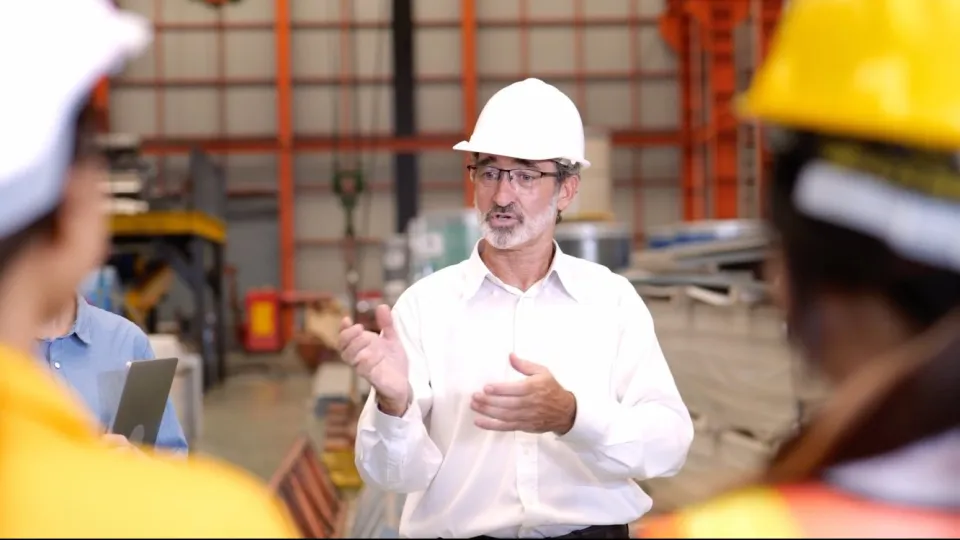
Your company turns the know-how into an Artificial Employee.
It bends like the fitter, learns like Toyota's loop, reaches beyond the factory gate like Rolls-Royce's, and unlike rented intelligence, it belongs to you.
You finished the shop floor.